Planting with Purpose: Essential Habits for Trees
Trees stand as majestic pillars in the complicated web of life, contributing significantly to the equilibrium of our environment. From providing oxygen to absorbing carbon dioxide, trees are nature's gift to humanity.
Trees are often referred to as the lungs of the Earth, as they release oxygen through photosynthesis. This process benefits humans and animals and helps regulate the climate by absorbing harmful greenhouse gases like carbon dioxide. Additionally, trees provide habitat and food for many species, supporting biodiversity and ecological balance.
Despite their significance, trees face numerous threats, including deforestation, urbanization, and climate change. This book aims to raise awareness about the value of trees and offer practical advice on planting and caring for them. By following these guidelines, individuals can contribute to environmental conservation and create a greener, healthier planet for future generations.
Trees are essential for the well-being of our planet and all its inhabitants. This guide inspires people to plant and nurture trees carefully, ensuring a sustainable future for all.
Tips for Selecting the Right Tree for Your Environment
When planting trees, selecting the suitable species for your environment is crucial for their long-term health and growth. Several factors should be considered, including climate, soil conditions, tree size, and placement.
Climate influences which tree species grow in your location. It is critical to choose trees that are well adapted to the local climate, temperature ranges, and precipitation levels. Native species are frequently the best choice because they have adapted to thrive in specific area environments.
Soil conditions are another crucial factor to consider when selecting a tree. Different species have varying soil preferences, so it's essential to understand your soil type and choose a tree that will thrive in it. A soil test can help you assess your soil's pH and nutrient levels, allowing you to select a tree species that will thrive.
Tree size and placement are also important considerations. Consider the tree's mature size and ensure enough space to grow without interfering with buildings, power lines, or other structures. Additionally, consider the tree's placement in your landscape to ensure it receives adequate sunlight and has enough room to spread its roots.
By carefully examining these aspects, you can choose the best tree for your location and reap its beauty and advantages for years.
How to Prepare Your Planting Site for Healthy Trees
Preparing the planting site is a crucial step in ensuring the success of your tree-planting endeavor. Proper soil preparation, sunlight exposure, and clearing of the planting area are essential factors to consider. This guide provides helpful tips for preparing your planting site to promote healthy tree growth.
Soil testing and amendment are essential steps in preparing the planting site. Perform a soil test to evaluate your soil's pH and nutrient levels. Based on the results, adjust the soil to produce the best-growing conditions for your tree.
Sunlight exposure is another important consideration when preparing the planting site. Most trees require full sun to thrive, while others may tolerate partial shade. Ensure the planting site is free from obstructions, such as buildings or tall trees that may block sunlight.
Clearing the planting area of weeds, grass, and debris is essential to give your tree the best start. Remove any competing vegetation from the planting site and create a clear area for planting.
Following these tips for preparing your planting site, you can create optimal conditions for healthy tree growth and enjoy the benefits of a beautiful, thriving tree for years.
The Essential Steps for Planting Trees Successfully
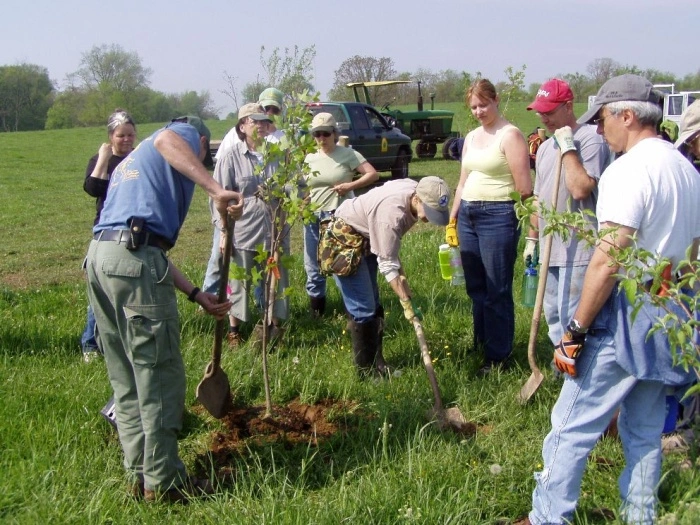
Planting a tree is a pleasant experience that can improve your landscape's attractiveness while helping to make the environment healthier. Use suitable planting practices to ensure the effectiveness of your tree planting efforts. This guide outlines the critical steps involved in the planting process, including digging the hole, handling the tree roots, and planting at the proper depth.
Handling the tree roots carefully is crucial to prevent damage and promote healthy growth. Gently loosen any tangled or circling roots before planting. Spread the roots outward in the planting hole to encourage proper root growth.
Planting at the proper depth is essential for the tree's health and stability. The top of the root ball should be level with the surrounding soil or slightly above in poorly drained soils.
By following these steps, you can ensure that your tree is planted correctly and has the best chance of thriving in its new environment.
Proper Watering Techniques for Healthy Trees
Watering is critical for the survival and growth of newly planted trees. Proper watering procedures allow trees to build robust root systems and thrive in their new surroundings. This guide provides tips for watering trees, including initial watering after planting, establishing an ongoing watering schedule, and avoiding overwatering.
After planting a tree, it's crucial to give it a thorough initial watering. Water the tree slowly and deeply, and saturate the root ball and surrounding soil.
Establishing an ongoing watering schedule is essential for the continued health of your tree. Newly planted trees should be watered regularly, especially during hot, dry weather.
Avoiding overwatering is just as important as ensuring your tree gets enough water.
Following these watering techniques can help your newly planted trees thrive and grow into healthy, beautiful additions to your landscape.
The Benefits and How-Tos of Mulching for Healthy Trees
Not only does mulch enhance the appearance of your landscape, but it also offers several benefits for tree health. This guide discusses the benefits of mulch, how to apply it correctly, and the types of mulch to use.
Mulch helps keep moisture in the soil, reducing the need for frequent watering. It also regulates soil temperature, keeping roots cool in summer and insulated in winter. Furthermore, mulch inhibits weed growth, which can compete with trees for nutrients and water. Mulch improves soil fertility and structure by decomposing and incorporating organic matter.
How to Apply Mulch Correctly
Spread 2-4 inches of mulch around the tree's base, extending to the drip line if possible.
Avoid piling mulch against the tree trunk, leading to rot and disease.
Leave a small gap between the mulch and the trunk to allow air circulation.
These materials break down slowly, providing long-term benefits to the soil. Inorganic mulches, such as rocks and rubber mulch, can also be used but may provide different soil improvement benefits than organic mulches.
By mulching your trees correctly, you can improve soil health, reduce maintenance, and promote your trees' overall health and longevity.
Pruning and Training: Essential Practices for Healthy Trees
Pruning and training are vital practices for maintaining the health and structure of your trees. Proper pruning enhances trees' appearance and promotes their overall health and longevity. This guide discusses the importance of pruning techniques for young trees and how to train trees for proper growth.
Importance of Pruning: Pruning helps remove dead or diseased branches, improves the tree's appearance, and reduces the risk of disease and pest infestations. It also helps shape the tree, promoting a strong branch structure and preventing overcrowding.
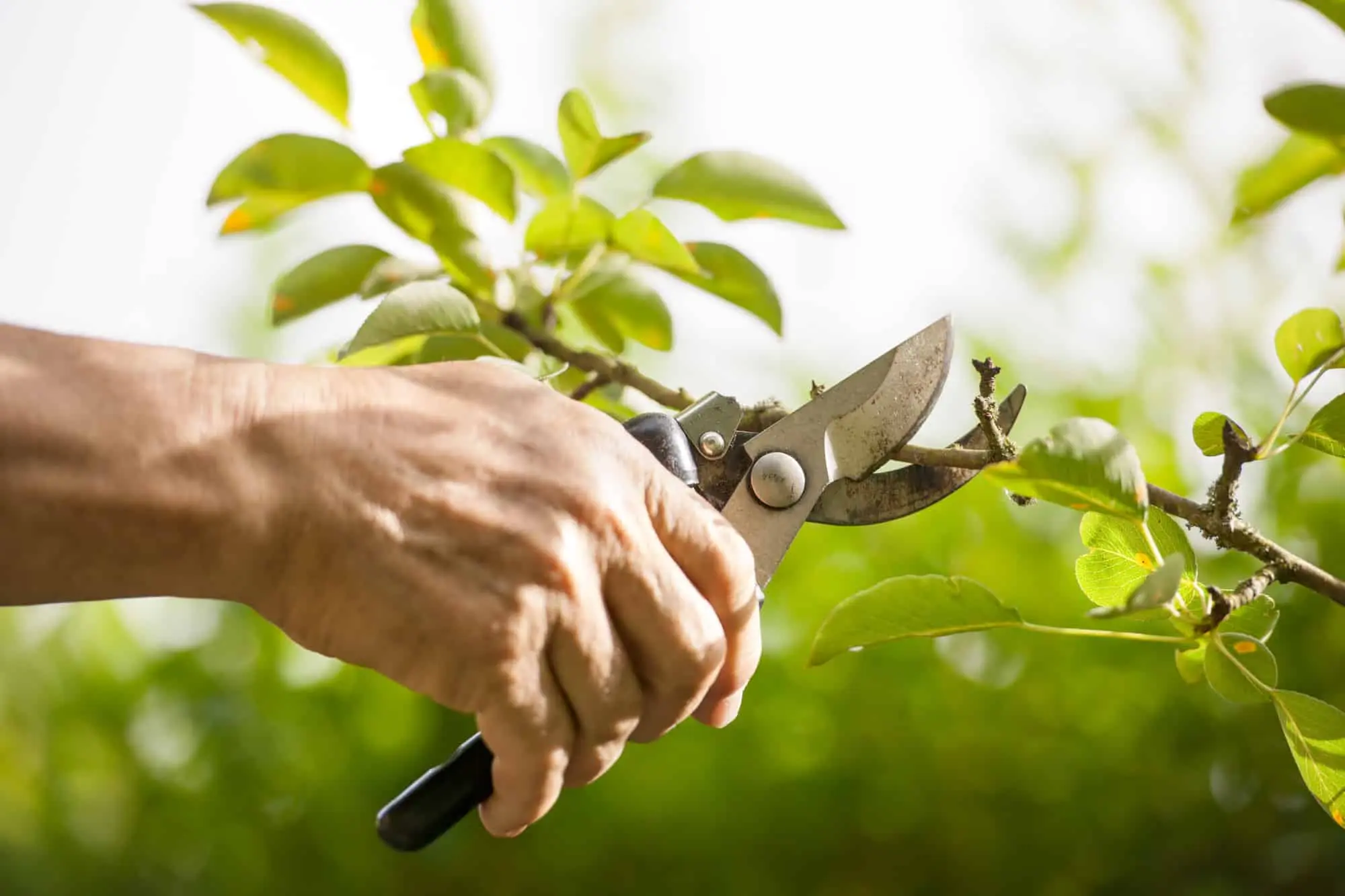
Pruning Techniques for Young Trees: When pruning young trees, focus on removing any dead, damaged, or crossing branches. This helps promote healthy growth and prevents structural issues as the tree matures. Use sharp, clean tools and cut outside the branch collar to encourage proper healing.
Training Trees for Proper Growth: Training young trees involves guiding their growth to develop a robust and well-balanced structure. Proper training early in a tree's life can help prevent future issues and ensure a strong and healthy tree.
Understanding the importance of pruning and training and using correct procedures will help your trees maintain their health and longevity, ensuring they remain attractive and alive for years.

FAQs
1. Why is mulching important for trees?
Mulching helps retain soil moisture, regulate temperature, suppress weed growth, and improve soil fertility. It also enhances the appearance of your landscape.
2. When is the best time to prune trees?
Avoid pruning during the active growing season to reduce stress on the tree.
3. How often should I water newly planted trees?
Newly planted trees should be watered regularly, especially during hot, dry weather. Water deeply to ensure the roots receive adequate moisture.
4. What are the benefits of training young trees?
Training young trees helps develop a strong, well-balanced structure, preventing future issues such as weak branches or improper growth patterns.
5. What types of mulch are best for trees?
Organic mulches, including wood chips, bark, and compost, are suitable for tree mulching. These elements degrade slowly, enriching the soil and increasing its structure.
Always follow proper tree care practices and consult with a professional arborist if you have concerns about your trees.
Conclusion
Caring for your trees is essential for maintaining a healthy and vibrant landscape. This guide's advice, such as regular watering, mulching, trimming, and training, will help your trees grow and contribute to a greener, more beautiful environment.
Ready to start caring for your trees? Assess their needs and implement the practices outlined in this guide. Remember to water your trees regularly, mulch to retain moisture and improve soil health, prune to remove dead or diseased branches and train young trees for proper growth. By taking these steps, you can help your trees grow strong and healthy for years.
Consider speaking with a professional arborist for specialized advice or assistance with your tree care requirements. They provide expert advice and guarantee your trees receive the necessary care to thrive. We can work together to make the planet more sustainable and greener.