Nurturing Nature: Sustainable Habits for Tree Planting
Planting trees is crucial for the ecology and the battle against climate change, in addition to raising the standard of living on Earth. Trees act as organic air cleaners, lowering the effects of global warming by releasing oxygen into the atmosphere and absorbing carbon dioxide. They enhance biodiversity and offer a range of fauna with habitats. Additionally, trees help reduce soil erosion, prevent flooding, and improve water quality by filtering pollutants.
Promoting sustainable habits like tree planting ensures a greener and healthier planet for future generations. Encouraging individuals and communities to plant trees can help restore ecosystems, create green spaces in urban areas, and improve overall air quality. Sustainable habits also include reducing waste, conserving energy, and using resources responsibly to minimize environmental impact.
Overall, tree planting and promoting sustainable habits must be considered. These are easy yet powerful methods to improve the environment and help create a more sustainable future. We can improve the environment for coming generations by planting trees and implementing sustainable habits.
Tree planting is a beneficial activity with numerous advantages for the environment and communities. By releasing oxygen and absorbing carbon dioxide, planting trees lessens the greenhouse effect and contributes to the fight against climate change. Trees also support biodiversity, provide wildlife habitats, and clean the air by removing toxins.
Various trees suit different environments depending on climate, soil type, and available space. Temperate climates are perfect for deciduous trees like oak and maple because they lose their leaves in the fall. Like pine and cedar, Evergreen trees can withstand harsh winters and maintain their leaves all year round. Fruit trees that provide beauty and food, like cherry and apple, are suitable for gardens and orchards.
Understanding the benefits of planting trees and selecting suitable types for specific environments is essential for successful tree-planting projects. By planting trees strategically, we can maximize their positive impact on the environment and communities, creating greener and healthier spaces for all to enjoy.
Planning a tree planting initiative involves setting clear goals and selecting suitable locations for maximum impact. Setting goals helps define the purpose and scope of the initiative, ensuring that efforts are focused and measurable. Goals can include increasing green spaces in urban areas, improving air quality, or restoring ecosystems.
Finding the ideal spot to plant trees is essential to their long-term survival and benefits. Considerations such as soil quality, drainage, solar exposure, and available space are crucial. Tree planting can reduce the heat island effect, provide shade, and improve aesthetics in urban areas. Rural areas may focus on reforestation to restore natural habitats and prevent soil erosion.
Organizing your planting project can optimize planting trees' environmental and social benefits. Engaging with local communities, government agencies, and environmental organizations can help gather support and resources for your initiative. Additionally, monitoring and evaluating the progress of your initiative can ensure its success and guide future tree-planting efforts.
Preparing for tree planting involves careful soil preparation and choosing the right time for planting to ensure the best possible conditions for tree growth. Soil preparation techniques involve evaluating the soil to ascertain its pH level and nutrient content to identify the kinds of trees that would flourish in that area. The soil can be improved by compost or fertilizer if necessary.
The success of the tree depends on planting at the proper time. The best time to plant trees is usually during the dormant season, which often falls in the fall or early spring. By planting now, you can give the tree time to build its root system before severe weather arrives. However, depending on their development habits and environmental conditions, some species could require a set planting time.

By properly preparing the soil and choosing the right time for planting, you can ensure that your trees have the best possible start and are more likely to thrive in their new environment. Taking the time to prepare for planting can lead to healthier, more resilient trees that will provide numerous benefits for years.
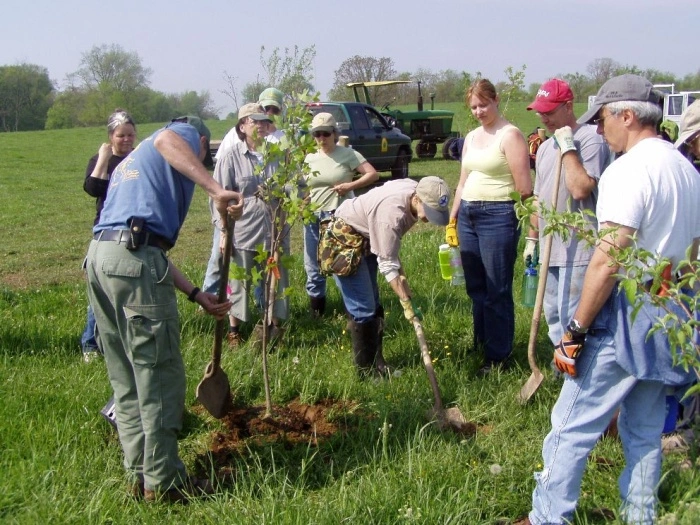
Proper planting techniques are essential for tree growth and development. When planting, it's vital to ensure the tree is placed at the correct depth. The hole should be deep enough to accommodate the tree's roots but not so deep that the trunk is buried. The point where the roots meet the trunk is called the root flare, and it should be lined up with the soil surface.
Spacing between trees is also crucial for proper root and canopy development. Trees should be planted at a distance, enabling them to reach their full size without overcrowding. This spacing varies depending on the species of tree and its intended purpose.
Watering is critical, especially during the tree's establishment period. Watering newly planted trees regularly is necessary to help them develop strong roots. Mulching around the tree's base helps retain moisture, suppress weeds, and regulate soil temperature. However, mulch should be applied correctly, leaving space around the trunk to prevent rot.
Following proper planting techniques ensures that your trees have the best possible start and are more likely to thrive in their new environment. Taking the time to plant trees correctly can lead to healthier, more resilient trees that will provide numerous benefits for years.
After planting trees, it's essential to provide post-planting care to ensure their health and growth. Monitoring tree growth and health is vital to catch any issues early on. Check for stress indicators regularly, such as withering leaves or pest infestations, and respond appropriately.
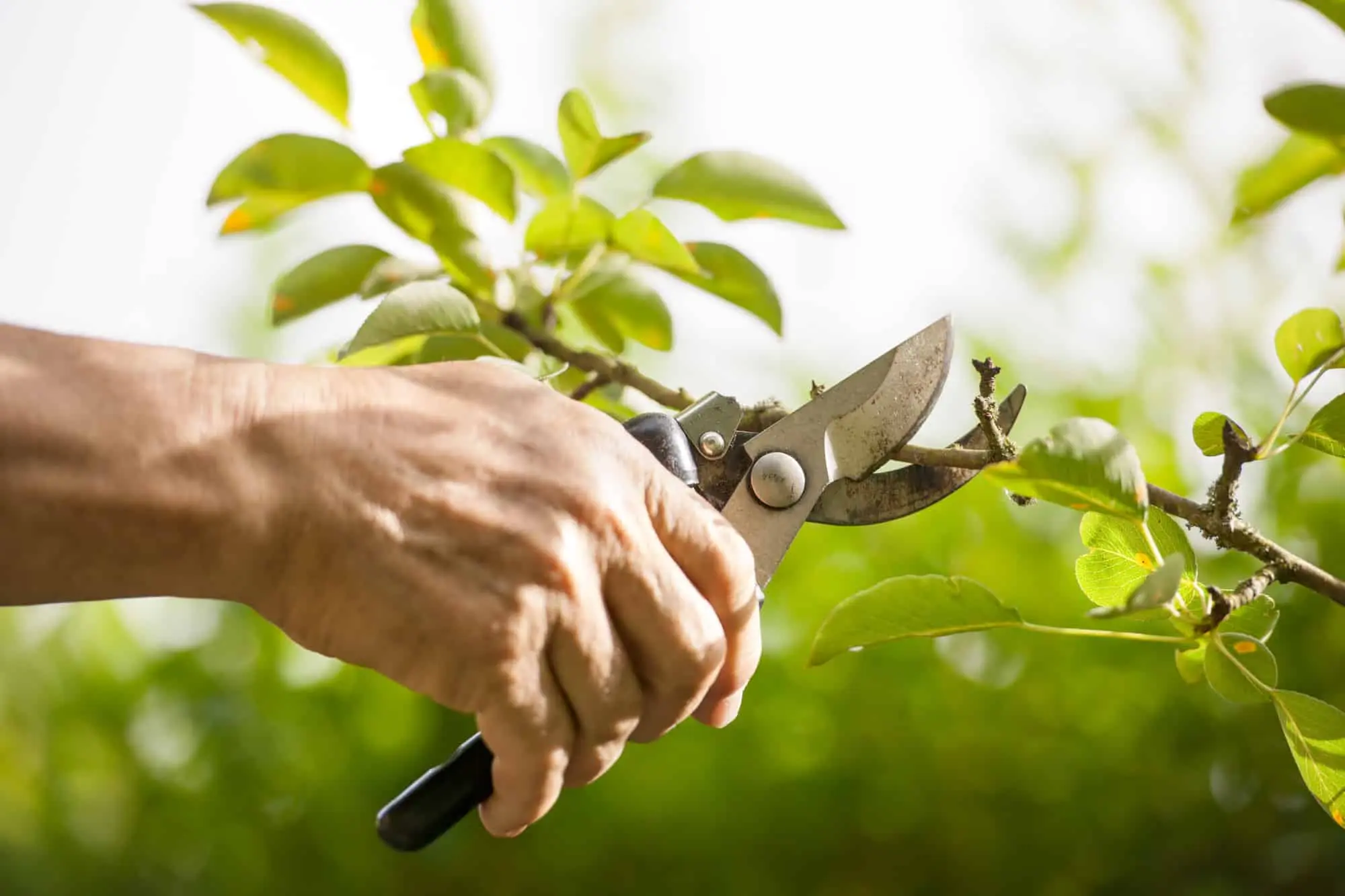
Pruning and shaping young trees is another crucial aspect of post-planting care. Proper pruning helps establish a strong structure and encourages healthy growth. To promote a balanced canopy, prune away dead or broken branches and reshape the tree. Avoiding over-pruning might cause stress and stunt the tree's growth.
In addition to monitoring and pruning, proper watering and mulching should continue after planting. Water newly planted trees regularly, especially during dry periods, to help them establish a robust root system. Mulching helps retain moisture and suppress weeds but leaves space around the trunk to prevent rot.
By providing post-planting care, you can help ensure your trees' long-term health and vitality. If correctly cared for, your trees can provide years of benefits, such as improved landscape attractiveness, wildlife habitats, and better air.
Sustainable maintenance practices are crucial for the long-term health of trees and the environment. One important aspect is using irrigation methods that conserve water. Water is delivered directly to the roots with drip irrigation and soaker hoses, which lowers runoff and evaporation. Water waste can also be decreased by collecting rainwater for irrigation with rain barrels.
Organic fertilization and pest management are also critical components of sustainable maintenance practices. Instead of synthetic fertilizers, which can harm beneficial soil organisms, organic fertilizers like compost and manure provide nutrients while improving soil health. Similarly, natural pest control methods, such as introducing beneficial insects or using insecticidal soaps, can help manage pests without harming the environment.
Implementing these sustainable management techniques can minimize adverse environmental effects while enhancing your trees' health and vigor. Additionally, these practices can help reduce water usage, improve soil quality, and support biodiversity. Implementing sustainable maintenance practices is essential for creating a healthy and resilient ecosystem where trees can thrive.
FAQs
1. What are the benefits of planting trees?
Planting trees releases oxygen into the atmosphere and absorbs carbon dioxide, which helps fight climate change. In addition, trees prevent soil erosion, enhance air and water quality, and offer wildlife homes.
2. How do I choose the right location for planting trees?
When selecting a location, consider soil quality, drainage, sunlight exposure, and available space. Urban areas can benefit from tree planting to reduce the heat island effect, while rural areas may focus on reforestation.
3. What is the best time to plant trees?
The best time to plant trees is during the dormant season, which typically falls in the fall or early spring. By planting now, you can give the tree time to build its root system before severe weather strikes.
4. How do I properly plant a tree?
Make sure the tree's root flare is level with the soil surface and planted at the proper depth. Another critical factor is the distance between trees. Give recently planted trees regular watering, especially in dry spells, and mulch the tree's base to hold in moisture.
5. What are some sustainable maintenance practices for trees?
Use water conservation methods, such as drip irrigation and rainwater collection. Implement organic fertilization using compost and manure, and practice natural pest management to avoid harming beneficial organisms.
Conclusion
In summary, planting and maintaining trees is good for the ecosystem and our health and well-being. Trees are crucial in halting climate change, besides offering habitats to various species, reducing greenhouse gas emissions, cleaning the air and water, and increasing aesthetic value. By following proper planting and maintenance practices, we can ensure our trees thrive and continue providing these essential benefits for future generations.
To take action and make a positive impact, consider planting a tree in your community or supporting local tree-planting initiatives. Engage in tree-planting events, disseminate information about the benefits of trees, and advocate for legislation that promotes tree planting and preservation. Our neighborhoods may be greener and healthier, one tree at a time.
Remember, every tree makes a difference. Plant a tree today and help create a more sustainable future for our planet.