Greening Your Space: Tree Planting Services Explained
Tree planting services are essential for maintaining a healthy environment and promoting sustainable communities. They also offer a range of social, economic, and health benefits for communities.
Tree planting services encompass a variety of activities aimed at planting and caring for trees in urban and rural areas. These services include selecting appropriate tree species, preparing planting sites, planting trees, and providing ongoing care and maintenance.
The importance of tree planting services must be balanced. By planting trees, we can help alleviate the consequences of climate change by absorbing CO2 and releasing oxygen through photosynthesis. Trees also help minimize air pollution by absorbing sulfur dioxide, ozone, and particle matter.
Additionally, trees provide numerous social benefits, such as improving mental health, promoting community beautification, and providing shade and temperature regulation. They also offer economic benefits, including increased property values, energy cost savings, and job creation in the green sector.
Investing in tree planting and care can ensure a better future for our planet and generations.
Tree planting provides various benefits to the environment, community, and economy. One critical environmental benefit is carbon sequestration, where trees absorb carbon dioxide, a significant greenhouse gas, helping to mitigate climate change. Additionally, trees play a crucial role in air purification by absorbing pollutants and producing oxygen, which is vital for human and animal health.
On a social level, tree planting has been linked to improved mental health and well-being.
According to studies, spending time in green places can help lower stress and anxiety while promoting relaxation and peace. Furthermore, trees encourage community cohesion by offering areas for people to assemble, socialize, and participate in leisure activities, improving overall quality of life.
From an economic perspective, tree planting can increase property values. Trees beautify neighborhoods and create a more attractive environment, positively impacting property prices. Moreover, strategically planted trees can provide shade, reducing the need for air conditioning in buildings and leading to energy savings.
Tree planting is a simple yet effective way to address environmental, social, and economic challenges. By recognizing and harnessing its benefits, individuals and communities can contribute to a healthier, more sustainable future.
Tree planting services encompass a variety of offerings tailored to different settings and needs. Understanding the many sorts of tree planting services available can assist people and businesses in making informed decisions regarding their landscaping and environmental projects.
Residential tree planting services cater to homeowners looking to enhance their property with trees. These services often include consultation with arborists to select suitable trees for the climate and soil and professional planting to ensure the trees thrive in their new environment.
Commercial tree planting services are geared towards businesses and organizations seeking to improve their outdoor spaces. These services may involve planting trees in parking lots, sidewalks, or outdoor recreational areas. They often focus on aesthetics, shade provision, and environmental benefits.
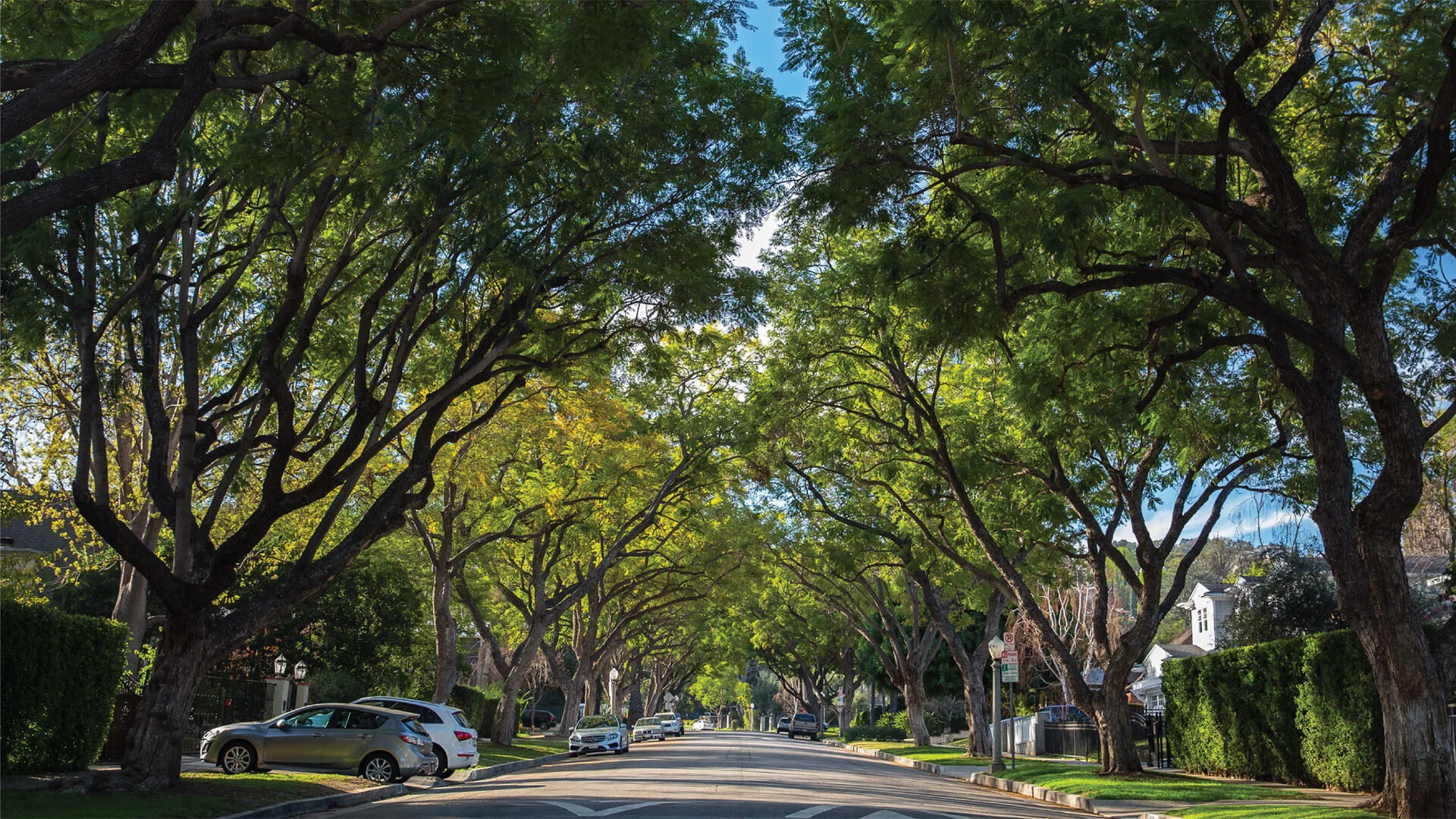
Municipal governments offer tree-planting services to improve public spaces, including parks, roadways, and communal areas. These services are critical to urban forestry since they enhance air quality, reduce heat island effects, and make cities more livable.
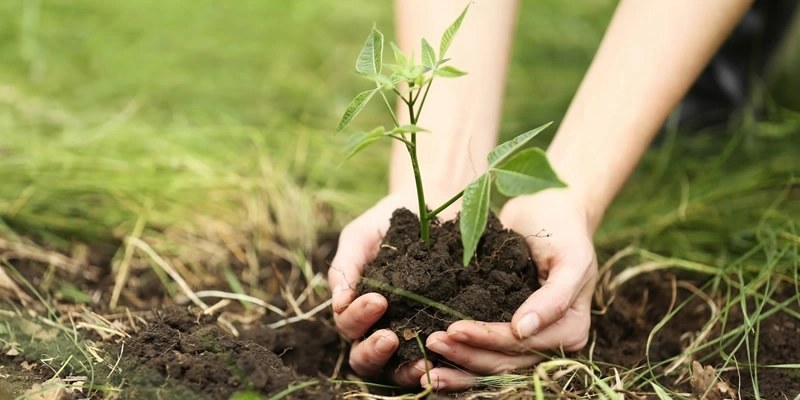
In conclusion, tree planting services are diverse and cater to various needs and settings. These services contribute to our environment's health, beauty, and sustainability, whether for residential, commercial, or municipal purposes.
Selecting suitable tree species and planning the planting process is crucial to ensure successful tree planting and long-term tree health. Here are vital considerations for each:
Choosing the Right Tree Species
Selecting a tree species suited to your location and purpose is essential. Consider climate, soil type, available area, and planned use (e.g., shade, ornamental, fruit-bearing). Native species are frequently a good choice because they are adapted to local conditions and benefit local fauna. Researching several species and their traits might aid in making an informed decision.
Planning the Planting Process:
Effective planning of the planting process can improve tree survival rates and growth. Timing is essential, with spring and fall generally being the best seasons for planting in many regions. Before planting, ensure the site is appropriately prepared by clearing weeds and debris, loosening the soil, and adding organic matter. Proper planting procedures, such as drilling the appropriate hole size and depth and avoiding planting too deeply, are also essential.
By carefully selecting the suitable tree species and planning the planting process, you can enhance the success of your tree planting efforts and contribute to a healthier environment.
Tree planting techniques are essential for ensuring trees' successful establishment and growth. Proper planting methods and post-planting care are critical components of these techniques.
Proper Planting Methods:
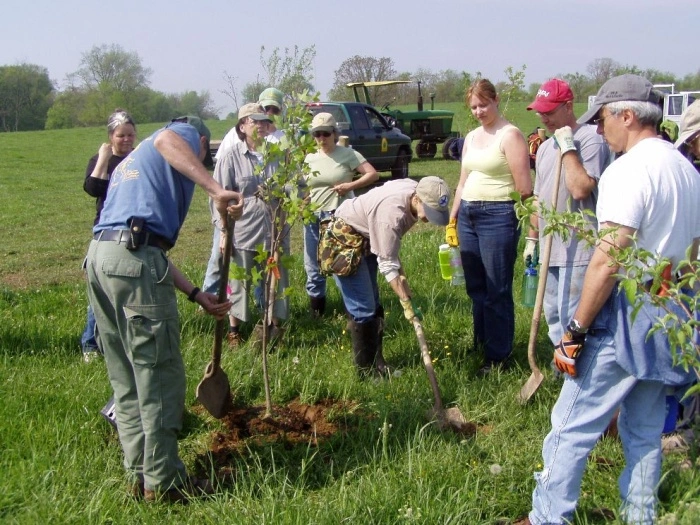
1. Hole Preparation: Dig a hole wide enough to accommodate the tree's root ball and at a depth that allows the tree to be planted at the same level as in the nursery container.
2. Root Management: Gently loosen circling or tangled roots before planting to encourage outward growth. Avoid planting trees with excessively root-bound root balls.
3. Backfill the hole with soil and carefully firm it around the roots to remove air pockets. After planting, thoroughly water the tree to settle its soil.
Post-Planting Care:
1. Watering: Newly planted trees need regular watering, especially during dry periods. Provide enough water to keep the soil moist but not waterlogged.
2. Mulch: Mulch around the tree's base will help to conserve soil moisture, discourage weeds, and regulate soil temperature. Keep the mulch a few inches from the trunk to avoid moisture problems.
Proper planting and care are essential for tree survival and growth, contributing to a greener and healthier environment.
When considering tree planting services, it's essential to understand the factors influencing costs and explore cost-saving options and financing for your project.
Factors Influencing Cost:
1. Tree Size and Species: Larger trees and exotic species may cost more due to higher nursery and transportation costs.
2. Site Conditions: Soil quality, accessibility, and terrain can affect planting difficulty and, thus, cost.
3. Quantity: Planting multiple trees can reduce the cost per tree.
4. Additional Services: tree staking, mulching, and ongoing maintenance will increase the overall cost.
Cost-saving Tips:
1. Choose Native Species: Native trees are often more affordable and better adapted to local conditions.
2. Plant Smaller Trees: Smaller trees are less expensive and often establish quicker than larger ones.
3. DIY Planting: If feasible, consider planting the trees yourself to save on labor costs.
4. Group Purchases: Collaborate with neighbors or community groups to buy trees in bulk and receive discounts.
Financing Options:
1. Government Grants: Some governments offer grants or subsidies for tree planting projects that benefit the environment.
2. Crowdfunding: Raise funds online by appealing to community members and environmental enthusiasts.
3. Corporate Sponsorship: Partner with local businesses or corporations interested in environmental initiatives to sponsor your project.
Understanding these cost considerations and exploring cost-saving tips and financing options can help you plan and execute your tree-planting project more effectively and efficiently.
Environmental Impact Assessment (EIA) is a critical process for evaluating the potential ecological effects of tree planting projects and identifying measures to mitigate any negative impacts.
Assessing Environmental Impact:
1. Ecological Impact: Evaluate how the tree planting project will affect local flora and fauna, including habitat disruption and biodiversity loss.
2. Air and Water Quality: Consider the project's impact on air and water quality, including carbon sequestration and runoff changes.
3. Soil Health: Assess how tree planting affects soil erosion, nutrient cycling, and structure.
4. Climate Change: Evaluate the project's contribution to climate change mitigation through carbon sequestration and shade provision.
Mitigation Measures:
1. Biodiversity Protection: Plant native species to support local wildlife and avoid planting in ecologically sensitive areas.
2. Water Management: Implement measures to minimize water use, such as drought-tolerant species and efficient irrigation techniques.
3. Soil Conservation: To protect soil health, use erosion control measures such as mulching and planting cover crops.
4. Community Engagement: Involve local communities in the project to address their needs and concerns, increasing project acceptance and sustainability.
Tree-planting projects can benefit the environment while minimizing potential harm by conducting a thorough environmental impact assessment and implementing appropriate mitigation measures.
FAQs
1. What are the best trees to plant in my area?
Answer: The best trees to plant depend on your location and climate. Native species are usually a good choice as they are adapted to local conditions. Consult with a local nursery or arborist for recommendations.
2. When is the best time to plant trees?
Answer: The optimum time to plant trees is usually in the spring or fall when the weather is pleasant. This permits the tree to grow roots before experiencing high summer or winter temperatures.
3. How much does tree planting cost?
Answer: Tree planting costs vary depending on tree size, species, and site conditions. It's best to get a quote from a local tree-planting service.
4. How can I care for newly planted trees?
Answer: Newly planted trees need regular watering, especially during dry periods. Mulching around the tree's base can help retain moisture and suppress weeds. Avoid overwatering and damaging the tree trunk with lawn equipment.
5. Are there any environmental benefits to planting trees?
Yes, planting trees can provide numerous environmental benefits. Trees absorb CO2, a significant greenhouse gas, and create oxygen. They provide habitat for wildlife and help reduce air and water pollution.
Conclusion
Tree planting is a simple yet effective approach to improving the environment and community. Through careful planning and considering environmental impacts, tree-planting projects can thrive and provide lasting benefits for future generations.
Whether you're a homeowner looking to enhance your property, a business aiming to improve your outdoor space, or a municipality seeking to enhance public areas, tree planting is rewarding and impactful. Contact us . Together, we can make a difference, one tree at a time.